No Weapon Formed Against SVG Design Review
When I first opened the file for No Weapon Formed Against SVG Design, my initial thought wasn't about the sales potential, but rather how it would translate from a vector on a screen to a tangible stitch pattern. As someone who has spent years evaluating digital assets for both personal hobbies and commercial embroidery projects, I know that the gap between a pretty image and a high-quality finished product can be wide. This design falls squarely into the Crafts and Graphics categories, specifically targeting those who blend faith-based messaging with retro aesthetics. But does it hold up under the needle? Let's dig into what this design actually offers for your next embroidery project.
The First Stitch: Visual Personality and Mood
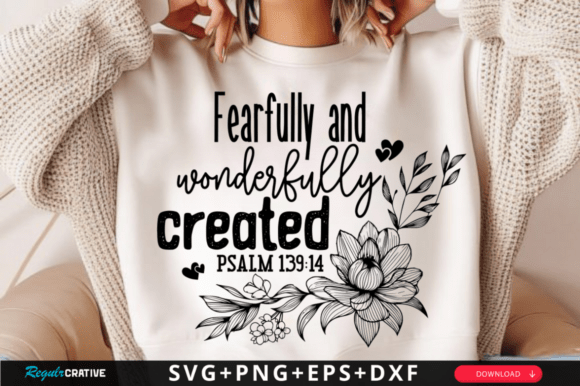
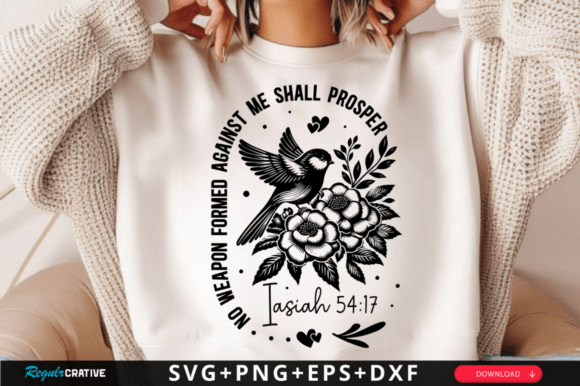
The moment you preview No Weapon Formed Against SVG Design, there is a distinct atmosphere it sets. It isn't just a generic text overlay; the inclusion of floral elements and a retro vibe suggests a warmth that resonates deeply with modern handmade trends. The layout feels balanced, avoiding the clutter that often plagues busy designs. For an embroidery designer, this balance is crucial because it dictates how the thread will interact with the fabric.
The typography appears bold enough to stand out, yet the surrounding botanical details soften the message. This combination creates a mood that is both protective and inviting. When I imagine this as a custom apparel piece, it doesn't scream for attention in a loud way; instead, it whispers a quiet confidence. This makes it an excellent candidate for items where the wearer wants to carry a meaningful message without it feeling aggressive. The retro styling adds a layer of timelessness, ensuring that the finished product won't look dated in a year or two.
Real-World Application: A Case Study in Creation
To truly understand the utility of No Weapon Formed Against SVG Design, let's walk through a specific scenario. Imagine you are preparing for a local craft fair or fulfilling a custom order for a boutique client. You have a request for a personalized tote bag featuring a Bible verse with a touch of elegance. You decide to use this design on a heavy-duty canvas tote.
Here, the design shines. The floral motifs provide texture that breaks up the solid fill stitches, preventing the embroidery from looking like a flat block of color. When stitched, the contrast between the lettering and the flowers guides the eye naturally across the bag. However, if you were to attempt this same design on a thin, stretchy baby onesie without proper stabilizer, the result might be puckered. The key here is understanding that while the design is versatile, its success depends entirely on the substrate. For a tote bag design or a sturdy sweatshirt, the density works beautifully. For delicate fabrics, you must adjust your approach.
I also considered using this for a holiday gift. Picture a set of kitchen towels embroidered with this motif hanging in a farmhouse-style home. The retro Christian aesthetic fits perfectly with that decor style. The design acts as a focal point, elevating a simple household item into a personalized gift that feels curated and thoughtful. The visual appeal here directly impacts the perceived value of the item, making it a strong contender for Etsy sellers looking to create unique listings.
Navigating Technical Challenges and Limitations
While the aesthetic is strong, every experienced maker knows that beauty on a screen does not always equal ease on the hoop. There are specific areas where No Weapon Formed Against SVG Design requires careful handling. If you plan to use this for small hoop sizes, such as 4x4 inches, you need to scrutinize the tiny details within the floral arrangement. Small curves and intricate corners can sometimes get lost or become difficult to stitch cleanly if the resolution isn't perfect.
Fabric texture plays a massive role here. On a textured fabric like corduroy or bouclé, the definition of the design might soften, which could be a feature or a bug depending on your goal. Conversely, on smooth sateen or poplin, the stitches will pop, but you risk the design shifting if the stabilizer isn't robust enough. Dark fabrics present another challenge; unless you are using a high-density underlay or specific thread colors, the contrast might be muddy. Always test your thread colors against the final fabric before committing to a full production run.
Curved surfaces, like caps or fitted hats, add another layer of complexity. While the design is adaptable, the curvature can distort the symmetry of the flowers if not hooped correctly. For embroidered patches, this design works well, but ensure the backing is appropriate so the edges don't fray after repeated washing. Frequent washing can stress the thread, especially in dense fill stitch areas, so checking the durability of the machine embroidery design is essential for long-term customer satisfaction.
Impact on Brand Consistency and Customer Trust
In the world of craft business and small shop products, consistency is king. Using a design like No Weapon Formed Against SVG Design helps establish a cohesive brand identity. When customers see a collection of items—perhaps matching aprons, pillow covers, and baby items—all featuring the same cohesive visual language, they perceive the business as professional and reliable. This design supports that narrative by offering a clean, recognizable look that translates well across different mediums.
The clarity of the stitching directly influences buyer engagement. If the letters are crisp and the flowers are distinct, the customer feels confident in the quality of the work. Blurry lines or missed stitches can lead to returns and negative reviews. Therefore, inspecting the design for any jagged edges or overly dense areas before stitching is a non-negotiable step. A well-executed digital embroidery file builds trust, whereas a poorly rendered one undermines even the best marketing efforts.
Practical Designer Notes for Success
Before you hit the start button on your machine, there are several checks you must perform to ensure the best outcome for your embroidery project. First and foremost, test the design on scrap fabric that matches your intended final material. This allows you to see how the satin stitch and running stitch behave together and whether the tension needs adjustment.
Review the stitch density carefully. High density can make the fabric stiff, which is undesirable for clothing but acceptable for home decor items like pillow covers. Confirm the hoop size requirements and ensure your machine can handle the dimensions without cutting off parts of the design. Inspect the small details, particularly around the text and the inner petals of the flowers, to ensure they are large enough to be stitched clearly.
It is also wise to create black and white mockups to check the contrast levels. This helps visualize how the design will look on various colored backgrounds without wasting thread. Compare light and dark fabric scenarios to decide if you need to change thread colors or add a background patch. Always use the proper stabilizer for the fabric type; floating the fabric or using cut-away stabilizers for permanent wear is often necessary for these types of graphics.
Finally, verify the licensing terms. Are you allowed to sell finished items made with this embroidery file? Can you resell the digital asset itself? These questions are critical for any commercial embroidery venture. Without clear answers, you risk legal issues down the line. By following these practical steps, you ensure that No Weapon Formed Against SVG Design becomes a reliable asset in your toolkit, ready to transform simple materials into cherished handmade products that bring joy to their owners.